Direct-to-consumer
The default store sells with nothing installed
Guest checkout, cash on delivery and manual fulfillment are in the core, so a store transacts on the day it boots. Modules add a card processor, a carrier or a retention flow — each a directory you import, none in the binary until you do.
- 0 modules required
- "cod" the default payment method
- manual the built-in fulfillment provider
What is in the default
- Checkout by emailNo account needed. The identity module adds sign-in and order history when you want them.
- Cash on deliveryThe registered default payment method, so a store can take orders before it has a processor.
- Manual fulfillmentRecord the parcel you posted yourself; carriers are modules.
- Inventory per locationStock on hand and reserved, per warehouse, from the first product.
- Discounts and price listsA launch price is a price list with no group; a code is a discount.
- The admin61 screens, compiled into the same binary, on the same API.
What a module adds
Each is a directory under ext/. Import it and it is in your binary; leave it out and none of its code is.
Take cards
- Stripe, Razorpay, Adyen, Paddle
- Hyperswitch, Lemon Squeezy, Helcim
- Creem, RevenueCat
Ship it
- Shiprocket, Delhivery, NimbusPost, India Post
- Shippo, ShipStation, Easyship, USPS
- Shippit, Onfleet, Veeqo
Keep them
- Cart recovery, reviews, wishlist
- Newsletter, Klaviyo
- Email and SMS: Resend, SendGrid, Twilio, MSG91
The full directory, with what each one does in its own words, is on the integrations page.
The storefront
FAQ
Questions about direct-to-consumer
What does a store do with no modules installed?
Sell. The catalogue, carts, checkout, orders, customers, inventory across locations, discounts and channels are in the core. Checkout takes an email, defaults the payment method to cash on delivery, and the manual fulfillment provider records the shipment you make yourself. A card processor or a carrier is a module you add when a real order asks for it.
Do shoppers need an account?
No. Checkout identifies the shopper by email. Shopper accounts — sign-in, saved addresses, order history — are the identity module, which you compile in when you want them.
Which storefront do I put in front of it?
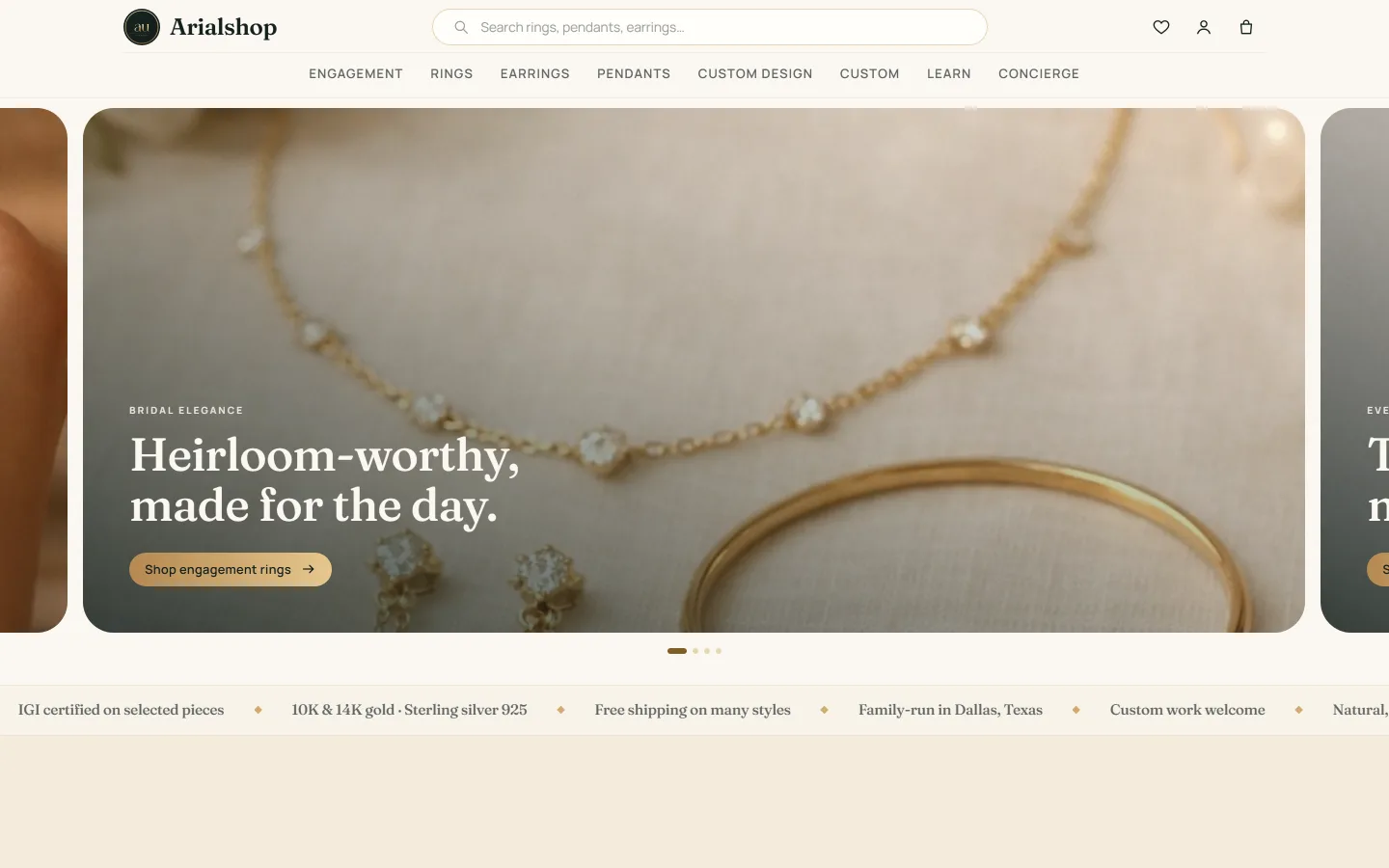
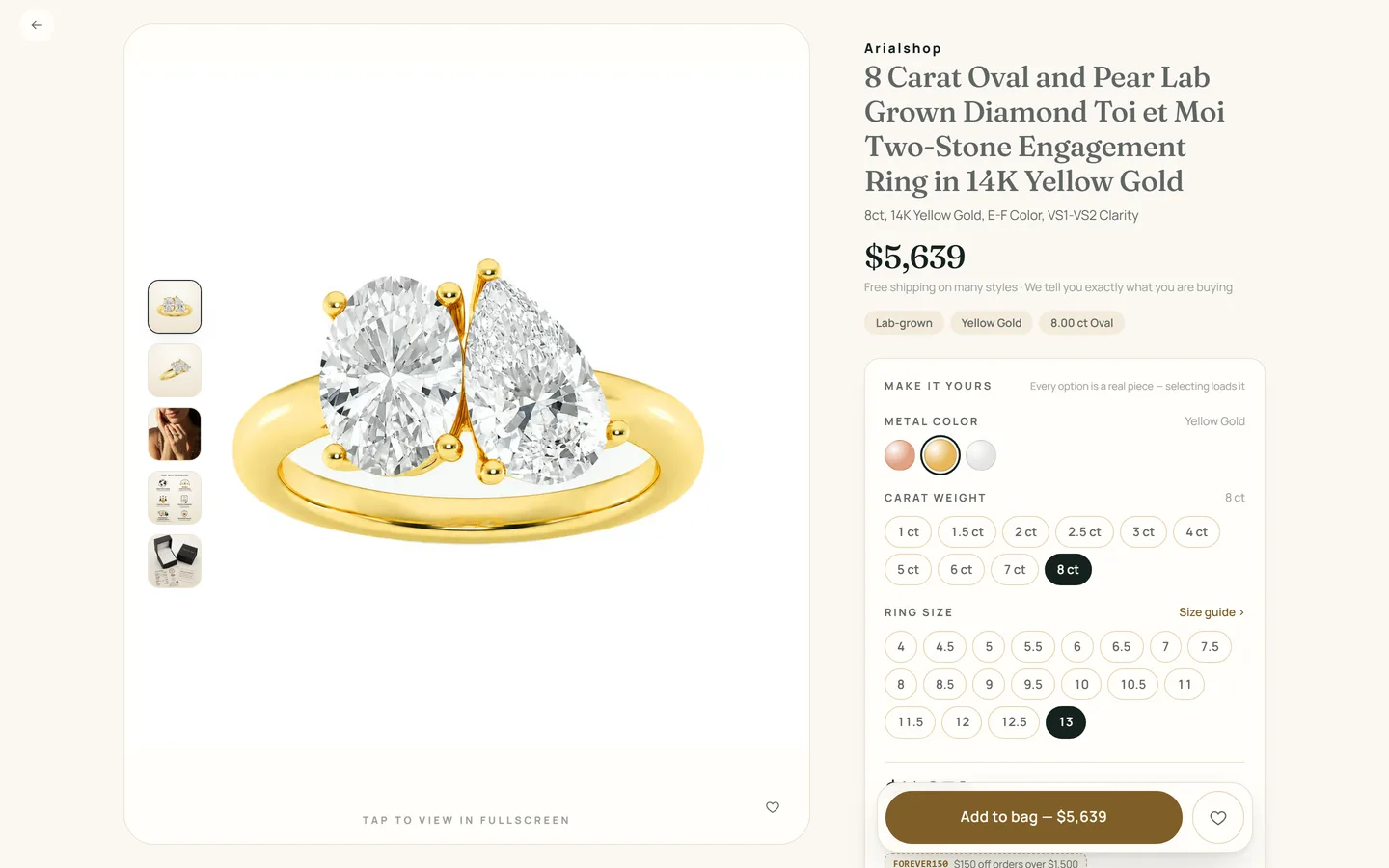
Any client that speaks HTTP. Svelte Commerce is the storefront presented on this site, and arialshop.com runs it in production, against one of 26 other backends. It reaches GoCommerce through an early connector, 0.1.0, covering catalogue, cart, guest checkout and order lookup — the direct-to-consumer path — but not customer accounts or a search index, and no store is known to run the pair in production. The other route is a storefront you write against the documented API.
Is Arialshop running on GoCommerce?
No — on Svelte Commerce, against a different backend. It is shown as proof that the storefront runs a real business, not that the two packages are wired together. The connector page is explicit about that.
What about retention — abandoned carts, reviews, wishlists?
Each is a module: cart-recovery chases a basket somebody gave up on, reviews holds what shoppers say, wishlist holds what they wanted, newsletter holds who asked to hear from you, klaviyo forwards events to Klaviyo flows. None is in the binary until imported.
Boot it, load a catalogue, place an order
The default store is what one command gives you. Everything else is a decision you can make later.